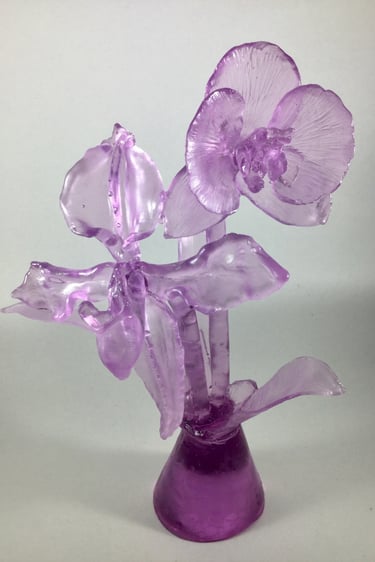
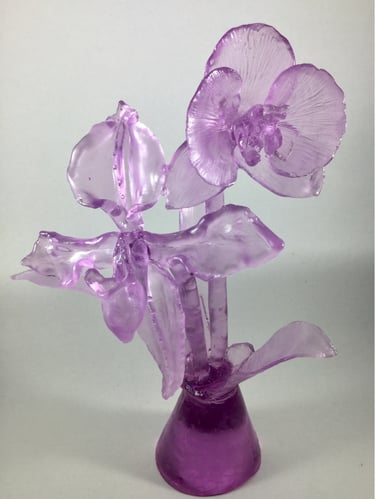
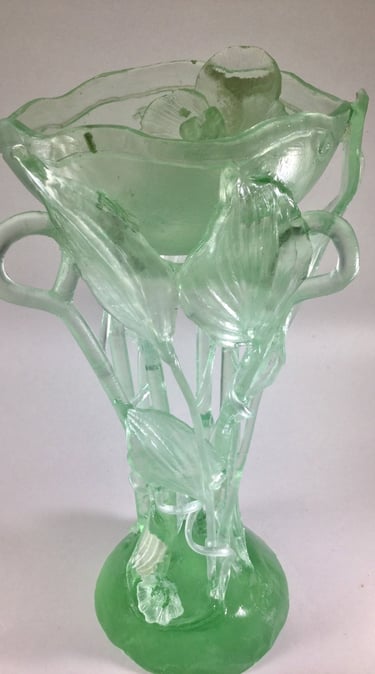
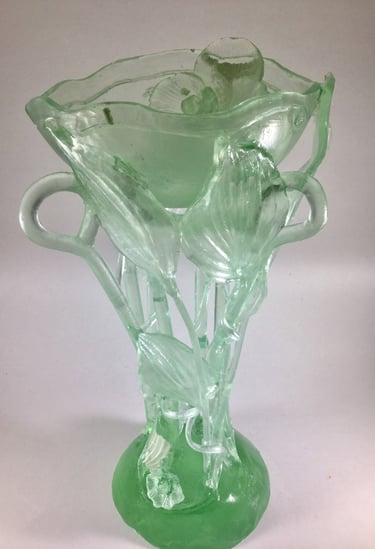
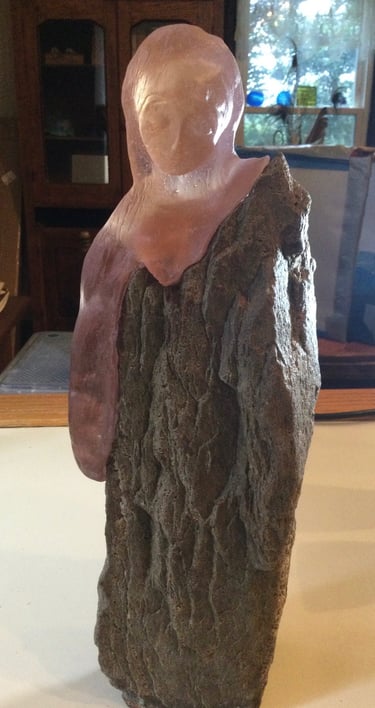
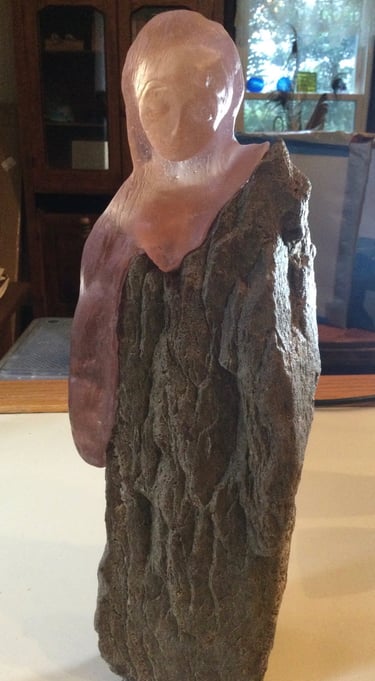
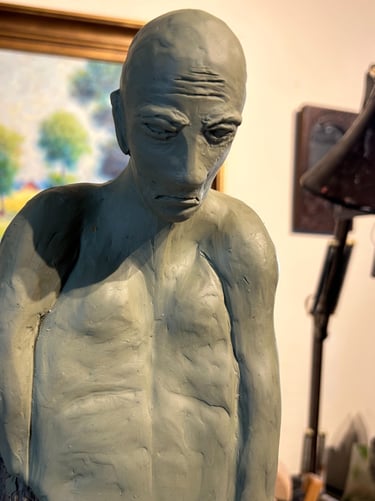
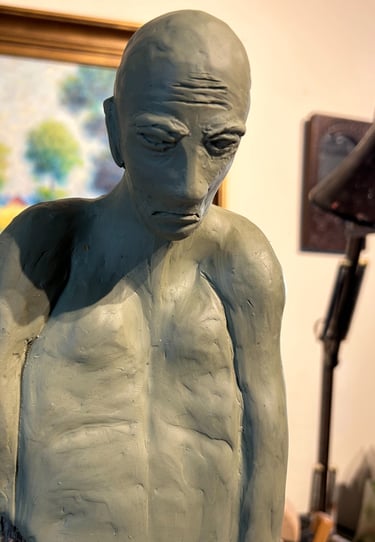
Each piece is first carved and created out of wax or clay. If clay is used, rubber is poured over the clay, the clay is removed and wax is then poured into the rubber mold, creating a positive wax piece.
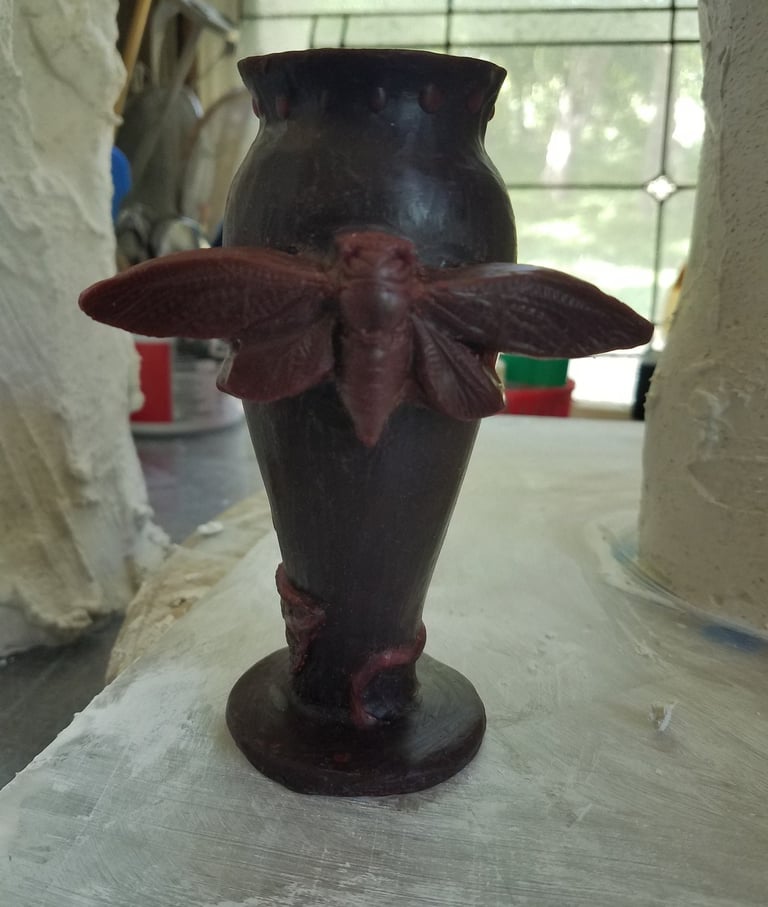
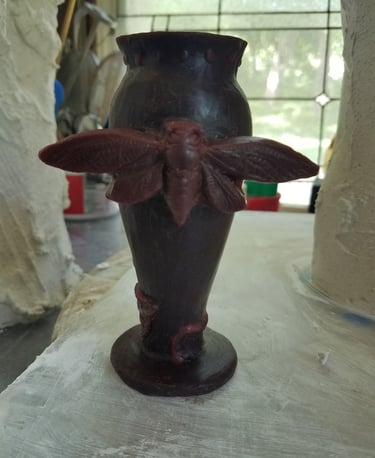
The final wax piece is carefully covered with multiple layers of plaster, silica and fiberglass. After the piece is cast and dried, the wax is melted out of the mold leaving the cavity of the original piece.
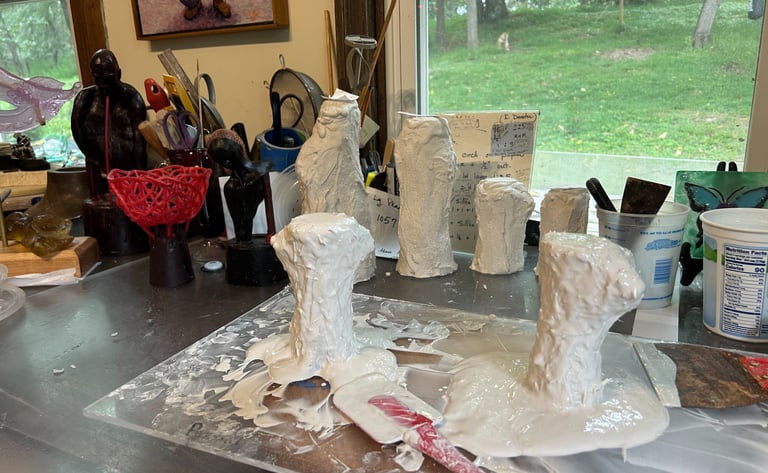
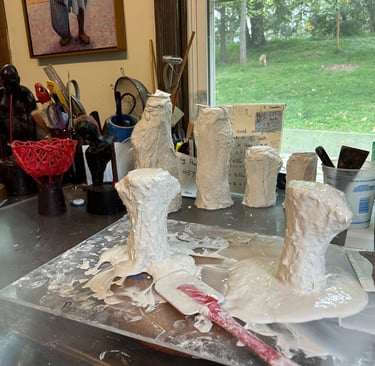
The molds are then put into a kiln to dry at a low 200 degree temperature. This sometimes takes days depending on the size of the mold. Glass is carefully measured to ensure the mold fills precisely. Sometimes flower pots are used to hold the glass. As the glass melts, it flows from the bottom hole of the pot or crucible and into the mold. The casting process goes through a number of stages with the top temperature holding at around 1500 degrees. The glass then needs to anneal or cure at around 900 degrees. This stage can last for many hours and sometimes days depending on the thickness of glass. To keep the glass from cracking, the cooling process can be very slow and long, especially for thicker pieces.
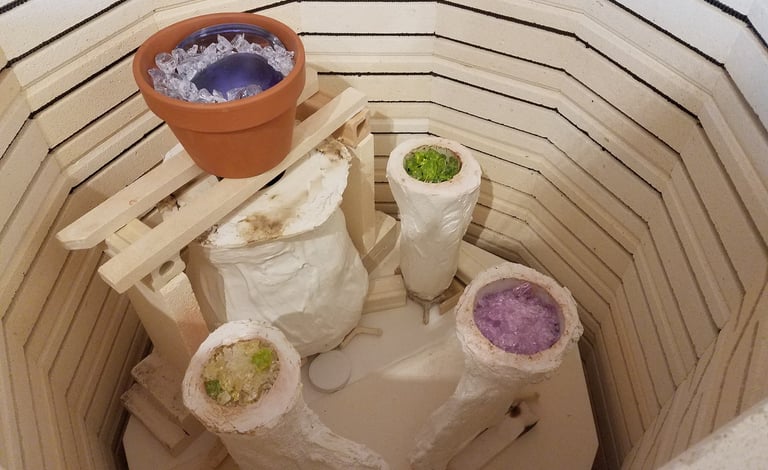
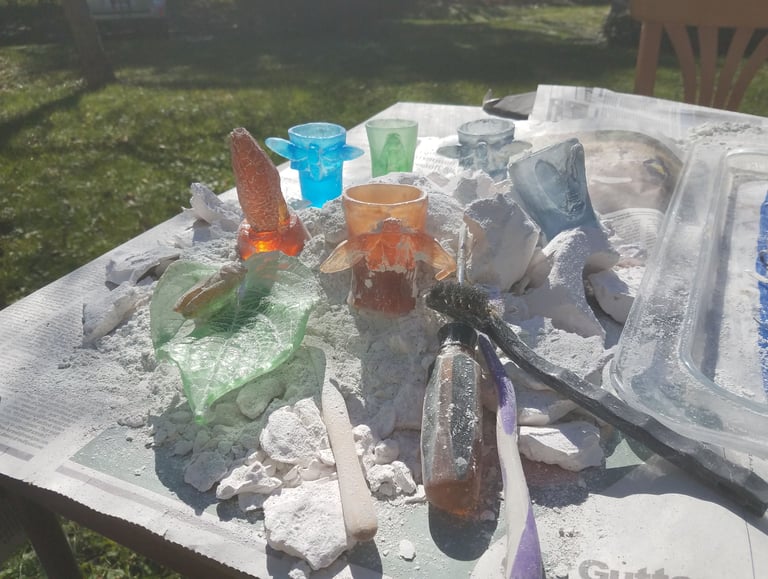
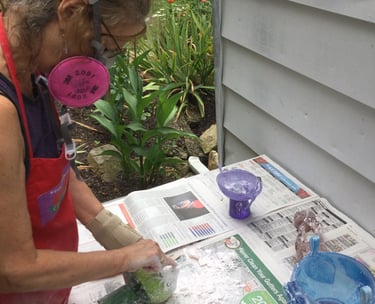
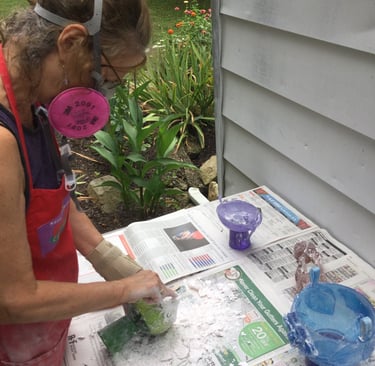
When the firing is complete and the pieces are completely cooled, the molds are carefully cracked open exposing the finished piece. Rough edges are ground and sanded and the piece is thoroughly cleaned.
While the Lost Wax Casting method is both difficult to execute and time consuming, the possibilities for creating different forms are endless. I am always struck by the beauty of glass; the wide range of colors and the incredible way it changes light.